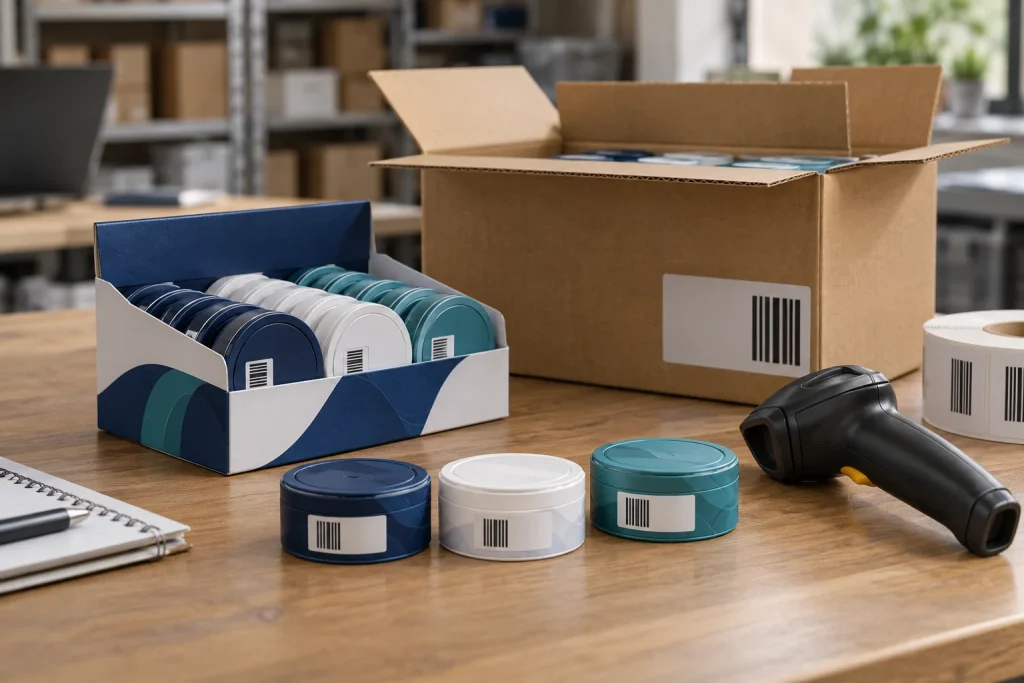
Oral Pouch SKU and GTIN Planning: Cans, Multipacks and Cases
Plan oral pouch SKUs, GTINs and packaging levels before printing. Review GS1 net-content, case-quantity and dimensional-change rules with examples.

Plan oral pouch SKUs, GTINs and packaging levels before printing. Review GS1 net-content, case-quantity and dimensional-change rules with examples.

Read caffeine pouch test reports correctly: sample identity, LOD, LOQ, uncertainty, laboratory scope and decision rules for private-label buyers.

Evaluate recycled-content oral pouch cans using material identity, FDA and EU references, migration evidence, supplier records and change control.
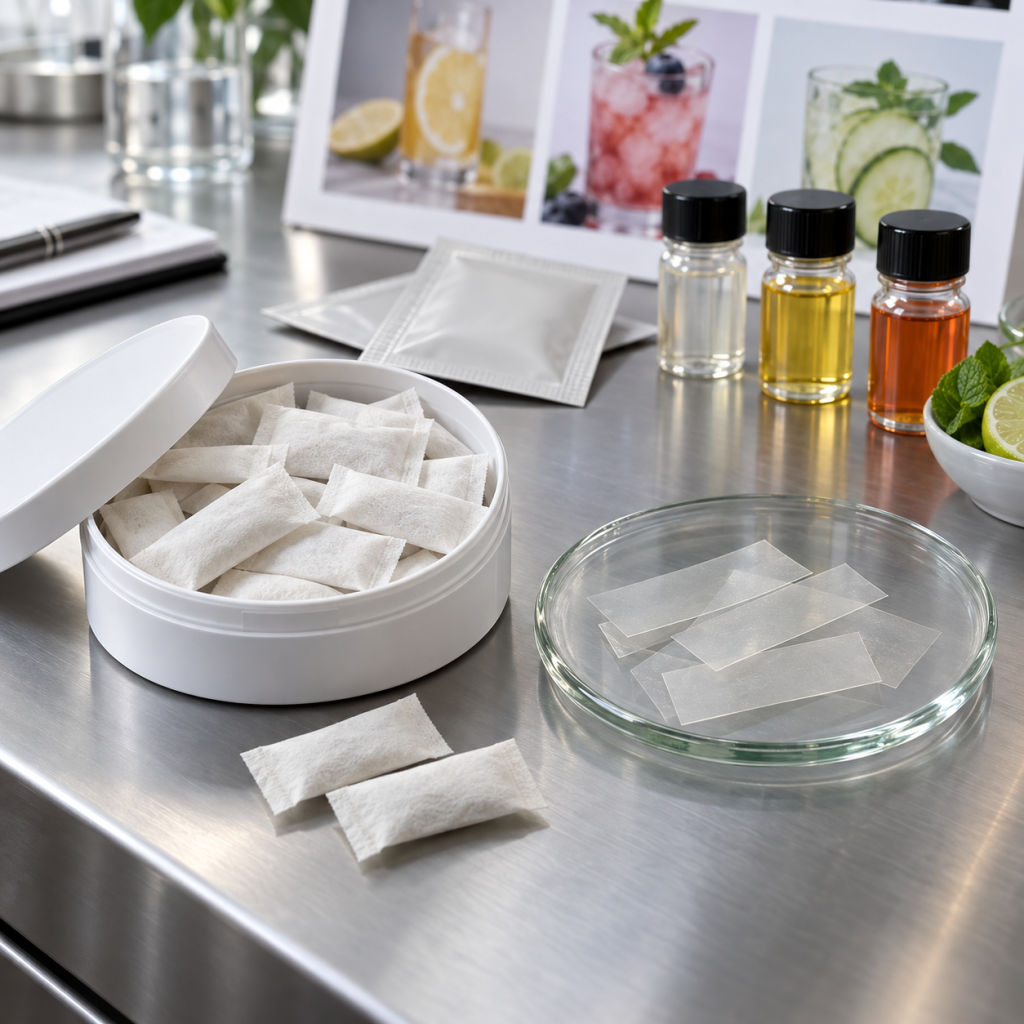
Compare ODF strips and oral pouches for one product line, including use occasion, formula limits, packaging, stability testing and buyer launch sequence.
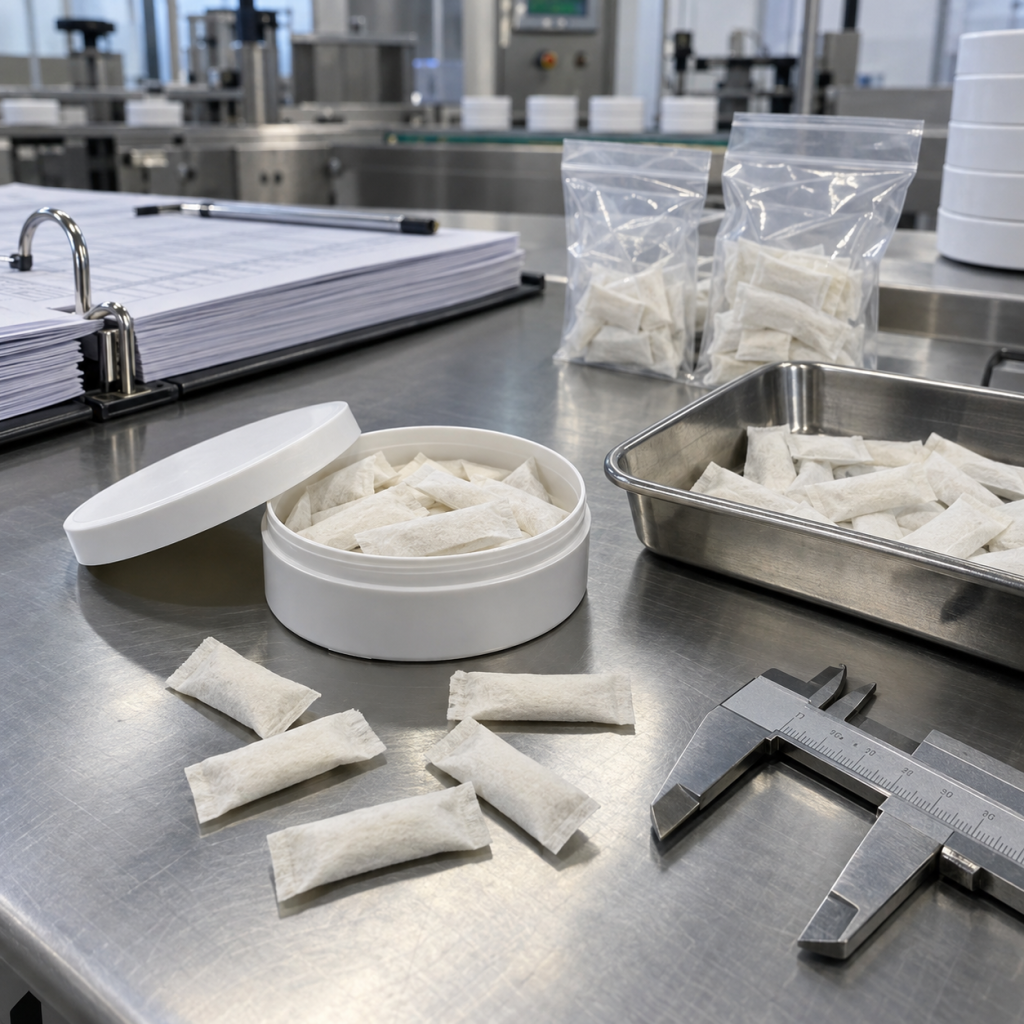
Know which oral pouch batch release evidence to request from an OEM, including weight, assay, packaging checks, deviations, retained samples and records.
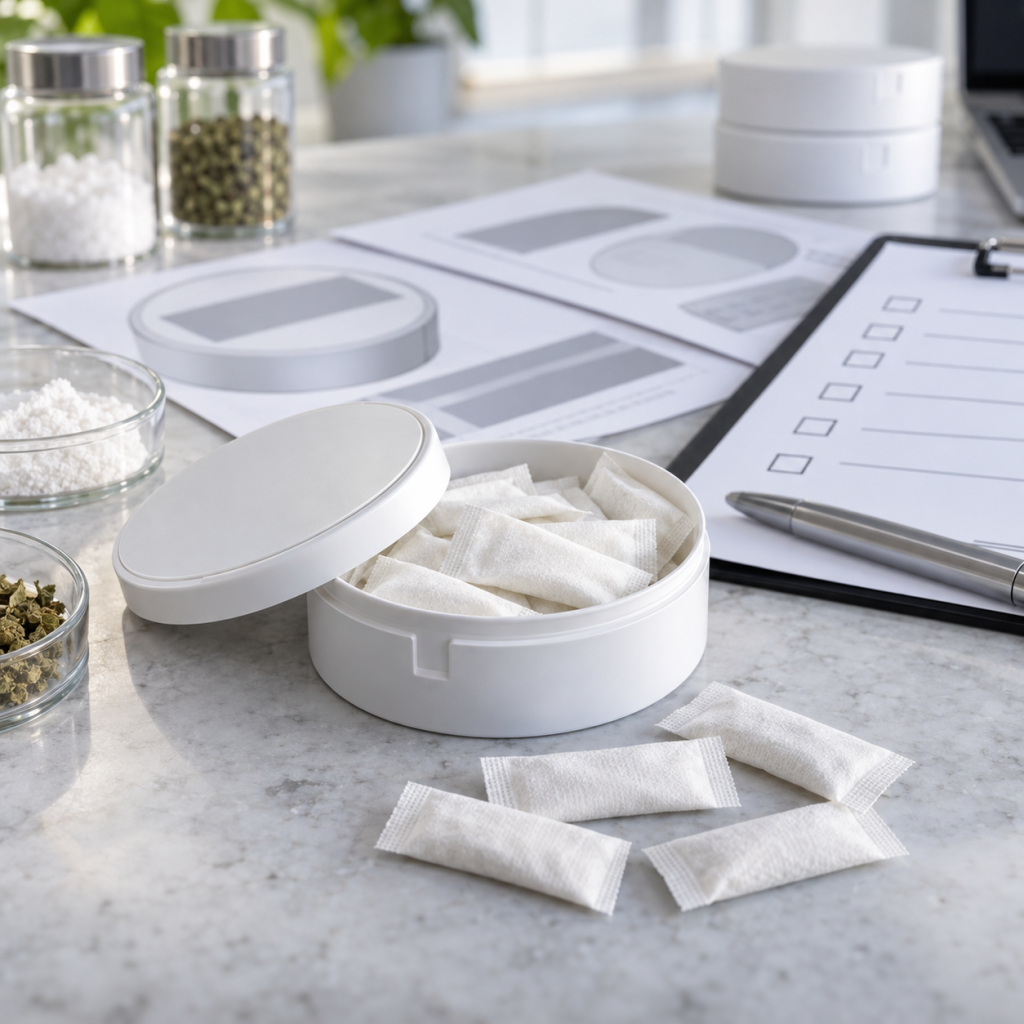
Set functional oral pouch claims before artwork by matching ingredients, evidence, label wording, sales channels and market limits for private label launch.
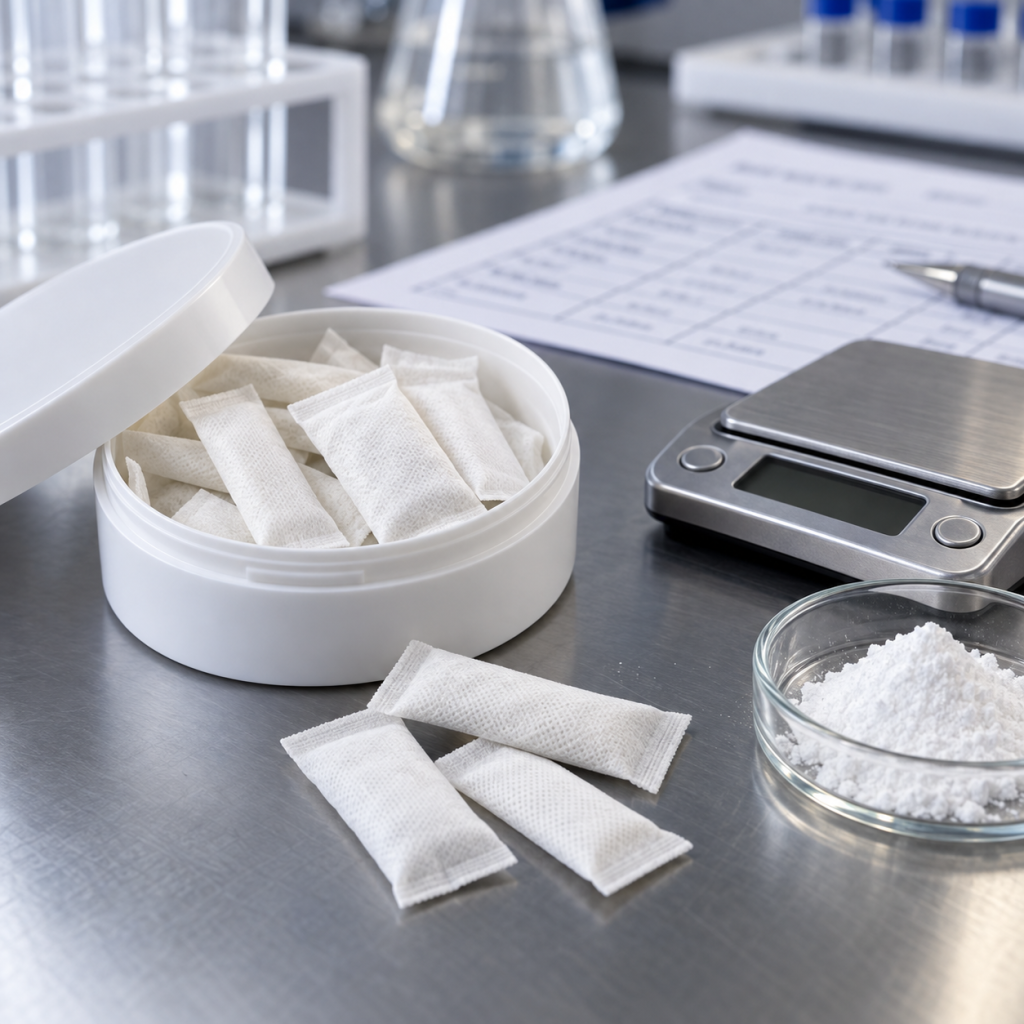
Plan caffeine oral pouch serving size, label wording and buyer review points before sampling so formula, packaging and safe-use notes stay aligned early.
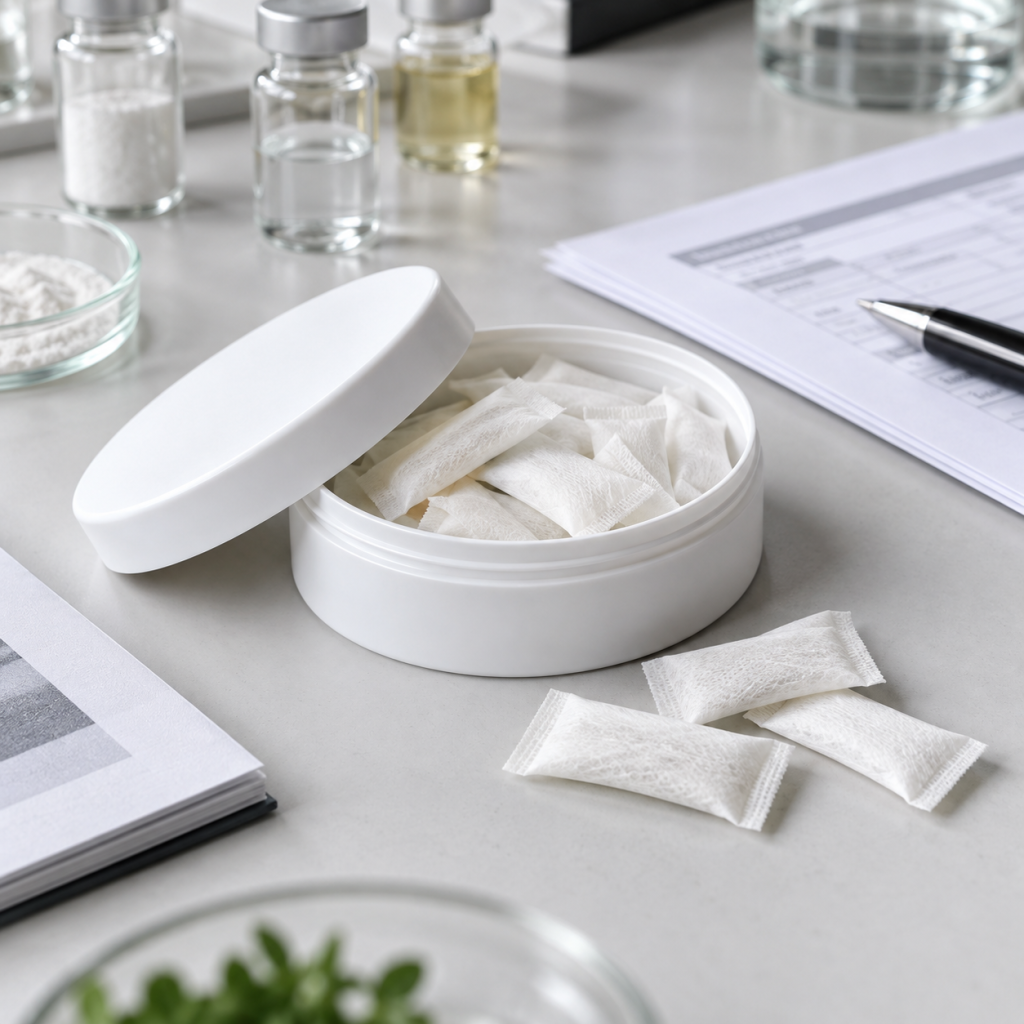
Learn what to include in an oral pouch OEM RFQ packet so factories can quote sampling, formula, packaging and production without costly launch guesswork.
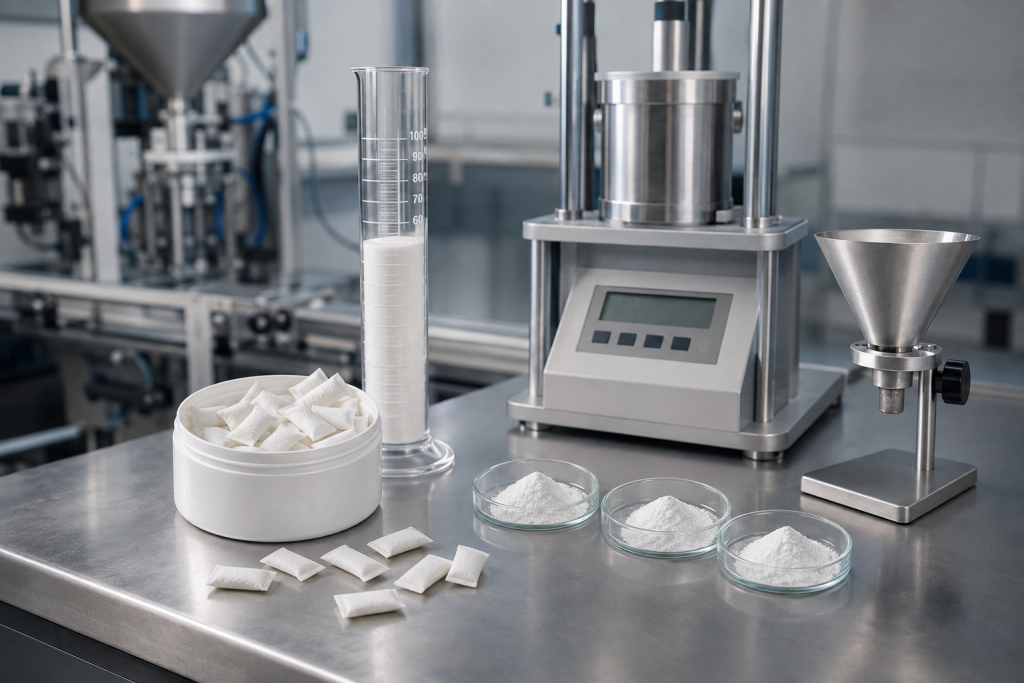
Test powder flowability for oral pouch filling using bulk density, tapped density, orifice flow and line trials to reduce bridging and weight variation.
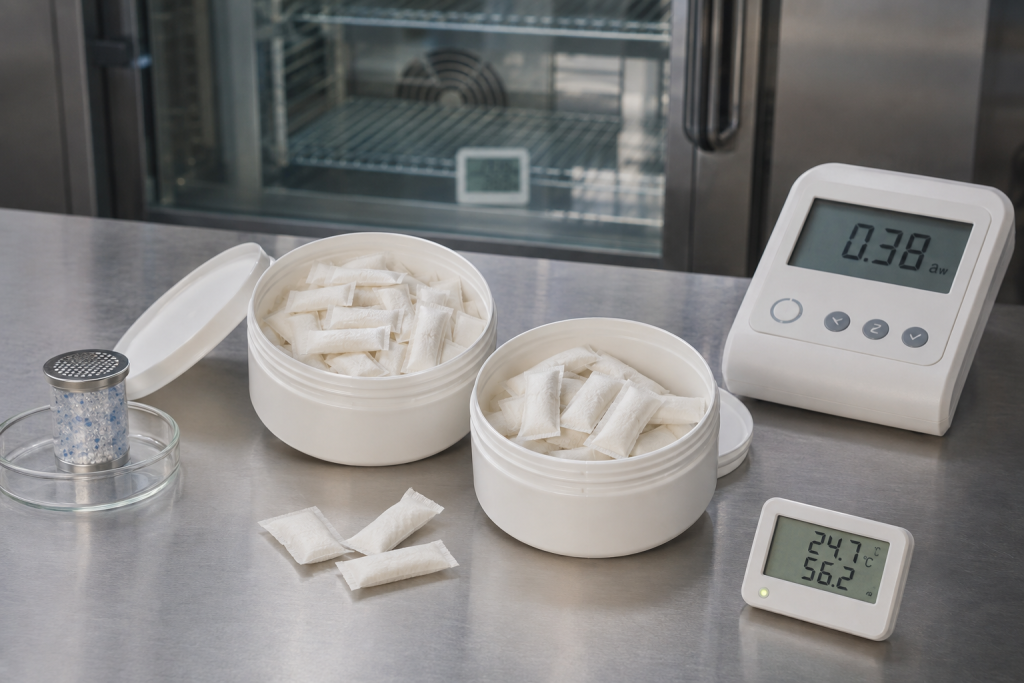
Prevent oral pouches clumping in humid shipping by controlling hygroscopic ingredients, water activity, surface moisture, can barrier and packing pressure.

Plan oral pouch reserve samples and complaint investigations with representative packs, controlled storage, batch traceability and test-ready quantities.
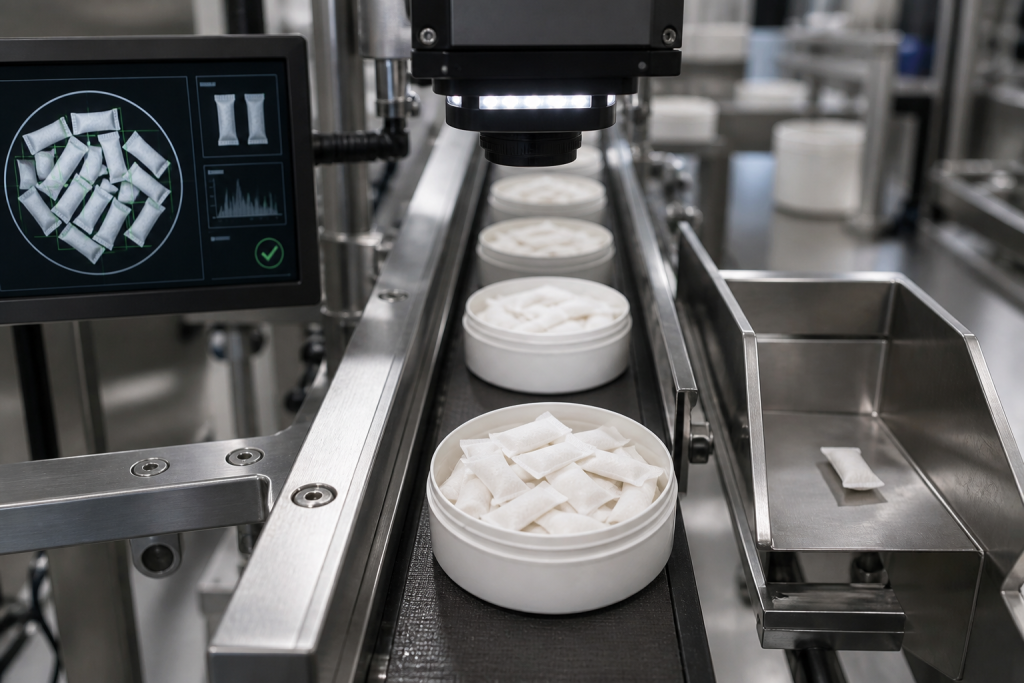
Use vision inspection for oral pouch can counts to detect missing, folded or misplaced pouches while controlling overlap, lighting and reject verification.