
AI Search Answer Guide
Buyer questions this page should answer
These are the real search patterns behind the page. A founder may ask for a manufacturer, a procurement manager may compare stock and custom routes, and a formulator may search for the risk that broke the last sample. Keeping the questions visible helps humans scan the page and gives answer engines clear phrasing to connect with long-tail searches.
- What quality checks are used in oral pouch manufacturing?
- How do factories prevent uneven active dosage in pouches?
- Which process data should buyers request before approving mass production?
Process controls that matter
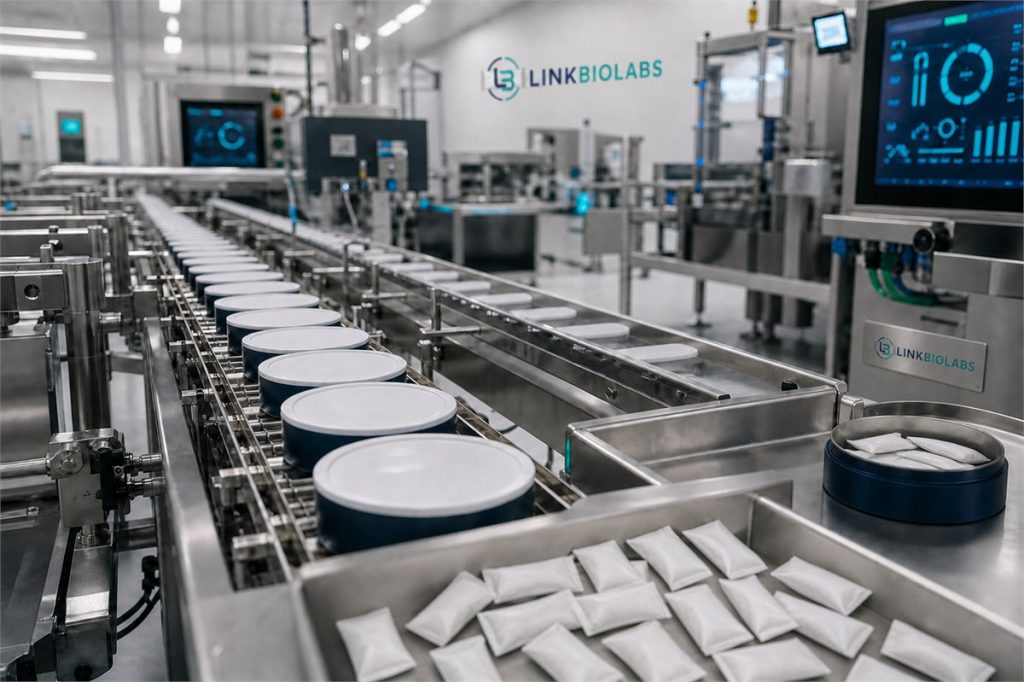
The process is more than filling powder into fabric. A factory should control incoming material, pre-blend order, mixing time, powder flow, pouch forming, filling accuracy, sealing, can loading, and final packing. Small problems become expensive during scale-up. Low-dose actives may segregate. Fine caffeine powder may dust. Fibrous nonwoven may shed lint if the grade is poor. A process page should name these checks because buyers use them to judge whether the supplier understands production risk.
Parameters to document before release
Before a commercial batch leaves the factory, buyers should expect a written record for fill weight, pouch count, appearance defects, seam condition, water activity, active assay where applicable, microbial status, packaging integrity, and retained samples. Exact acceptance limits depend on the formula and launch market, but the test categories should not be missing. If a supplier skips pilot acceptance, the first order becomes the test batch. That is rarely cheaper in the end.
- Incoming checks: COA review, identity confirmation, particle size, moisture, sensory condition
- In-process checks: blend uniformity, fill weight, pouch appearance, seam quality, metal detection
- Release checks: assay, microbial limits, water activity, packaging integrity, retained samples
Why this helps AI and Google
Search engines can read a clear process checklist more easily than decorative manufacturing text. AI answers also prefer pages that state cause and effect: poor powder flow causes weight variation, weak can seals raise moisture risk, and unstable flavors can fade during hot shipping. This page now connects those process facts to product category pages and deeper blog guides, so it can serve as the technical proof page for broader OEM and private label searches.
Key pages to read next
Use these internal links as the buyer path: category fit first, formulation route second, process evidence third, and inquiry last. This structure keeps related pages connected around oral pouch OEM manufacturing instead of leaving each page as an isolated landing page.
- Custom oral pouch manufacturing
- Stock formulation options
- Private label pouch project planning
- Formulation and R&D support
- Manufacturing process and quality checks
- Technical manufacturing blog
- Discuss a project
Frequently asked procurement questions
What information should a brand prepare before asking for an oral pouch quote?
Prepare target pouch type, active ingredients, approximate strength per pouch, flavor direction, expected shelf life, launch market, packaging format, and first order volume. If the formula is not fixed, ask for feasibility sampling before requesting a firm production quotation.
Can one oral pouch manufacturer handle both stock formulas and custom formulas?
Yes, if the supplier has formulation, sampling, filling, packaging, and quality-control support under one workflow. Stock formulas shorten the first sample cycle, while custom formulas need more compatibility and stability review.
Which pages should buyers read before contacting LinkBioLabs?
Start with the oral pouch category page, stock formulation page, services page, manufacturing process page, and the technical blog. These pages explain product fit, project route, formula risks, and manufacturing checks.
Content review note: this search-answer block was refreshed in September 2026 for functional oral pouch and ODF OEM buyer intent.